
Health Matters
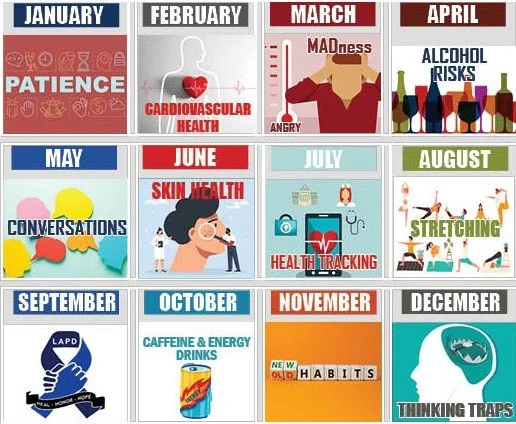
Visit here all year to learn more about the LAPD’s monthly Health Matters well-being campaigns.
2026
September: Suicide Awareness
What You Need to Know:
Suicide prevention starts long before a crisis occurs, and prevention means recognizing warning signs that many law enforcement officers have worked to mask.
Feeling connected, valued, and supported is one of the strongest protective factors against suicide.
Small acts—checking in, expressing appreciation, inviting someone to lunch—can remind others that they matter.
Monthly Activities/Challenges:
Show your support for others: Join the Heart of LAPD Walk on Saturday, September 19.
This week, tell one person why you appreciate them, and be specific.
Ask someone "How are you?"—then ask again. What to say when someone says “I’m not ok” .
Resources:
August: Stretching

What You Need to Know:
What happens if you don't stretch? The result is a decrease in range of motion which can lead to an increased risk of pain and injuries.
Stretching doesn’t have to take a lot of time; a few minutes a day can make a big difference in how you feel.
“Stretching” is not one thing. Dynamic stretches- think arm circles and leg swings- are best before a workout, while static stretches - holding a lengthening position for a period of time- are best after or separate from a workout.
Monthly Activities/Challenges:
Patrol: Counter hours in the car by stretching before, during and after a shift to maintain your ability to react quickly.
Admin/Detectives: Set a timer and stretch a few times during your shift to maintain mobility and avoid injuries.
At home, multi-task: When watching video/TV, pull out a mat and stretch, sit on the floor, or hang from a bar or doorway.
Resources:
Precision Nutrition: Free Exercise Video Library includes demos for dozens of dynamic and static stretches
July: Health Tracking
What You Need to Know:
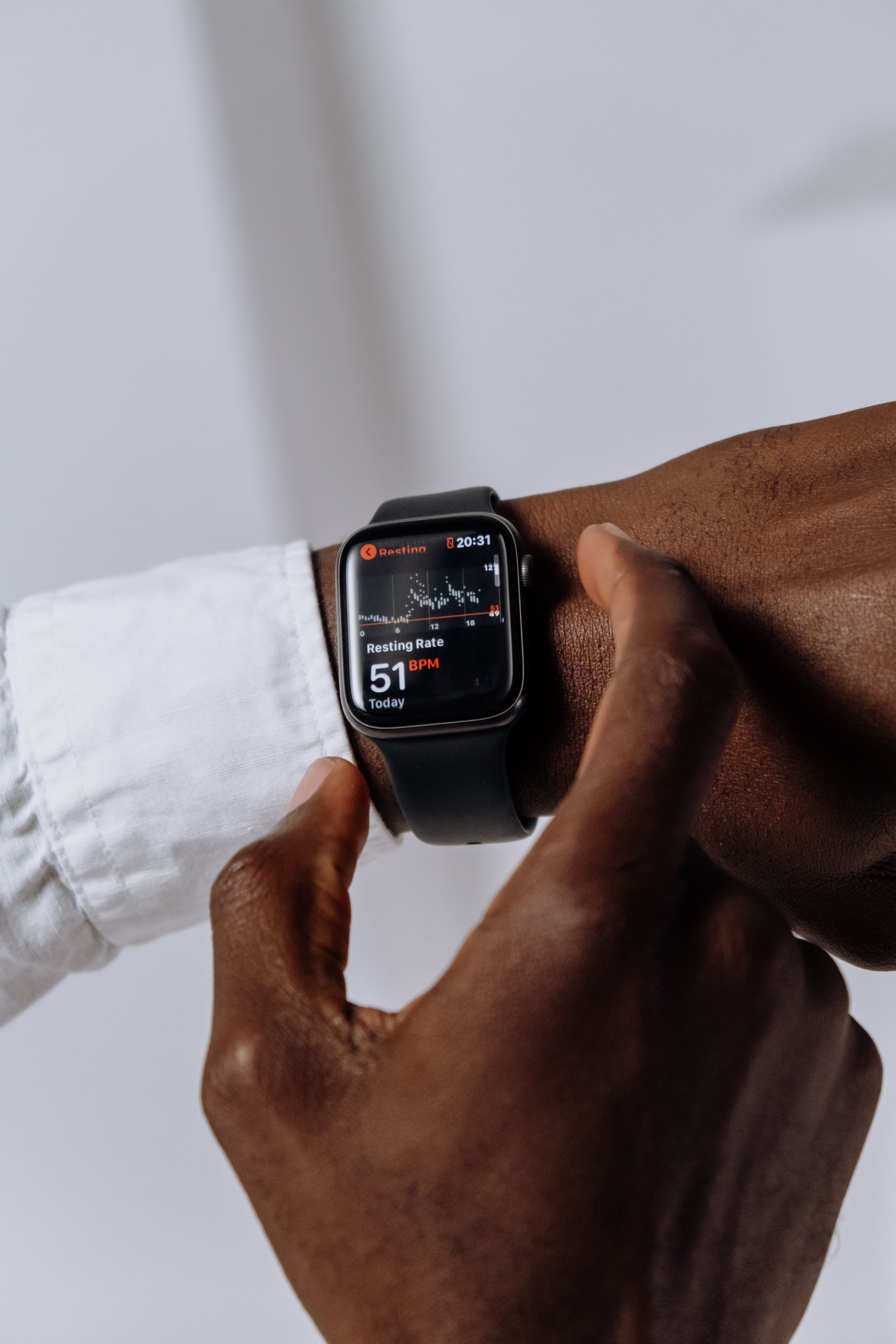
Wearable health trackers provide useful insights for some metrics like resting heart rate, step count and for some devices, sleep; other metrics- like calories burned - tend to be very inaccurate.
Hitting the health targets on tracking devices can be motivating, but there are also downsides. Find out the pros & cons of tracking health data in this article, from a coach/trainer perspective.
Health tracking devices collect sensitive personal information, including medical data, but generally don’t protect privacy at the same level as medical providers.
Monthly Activities/Challenges:
Track wisely: Check stats only once a day; focus on trends, rather than specific numbers.
Focus tracking: Choose one metric such as sleep, resting heart rate and/or heart rate variability (HRV), or step count, rather than tracking many different types of data all at once.
Check the privacy policies and settings on one of the apps or devices you use to track: make changes in the settings or choose a different app/device if privacy is a concern.
Resources:
June: Skin Health

What You Need to Know:
Law enforcement officers may experience increased UV sun exposure, from working in traffic, on perimeters, during events, and even from reflective surfaces like asphalt and vehicles.
Catch it early: there’s a 99% 5-year survival rate for melanoma -the deadliest form of skin cancer- when it’s detected early.
People of all ages can develop skin cancer, and it can occur on areas of the body that are not sun-exposed, like the soles of the feet.
Monthly Activities/Challenges:
Do your A,B,C,D, E’s this month: Here’s how to check your skin to detect changes early, including for people with darker skin tone.
Follow these tips for police officers to protect skin while on patrol.
Wear protective clothing when possible.
Resources:
HubermanLab: video/podcast interview with dermatologist Dr Teo Soleymani
May: Difficult Conversations

What You Need to Know:
Managing difficult conversations is a tactical skill—not just a personal one.
Actively listening, asking questions, and avoiding judgment helps foster better communication during difficult conversations.
Say it early: avoiding a difficult conversation can contribute to anxiety and damage relationships.
Monthly Activities/Challenges:
Tackle one difficult conversation: clear up a misunderstanding, check on a coworker, ask for help, give respectful feedback, or set a healthy boundary.
Resources:
LAPD BSS: organizational consultation, psychological services, and Peer Support for employees
Police1 video: How to approach difficult conversations at work

April: Alcohol Risks
What You Need to Know:
Alcohol has a systemic effect on the whole body, both in the short and long term.
If you choose to drink, know the LAPD Alcohol Safety Tactics.
H.A.L.T. when a craving or urge to drink strikes, then take the appropriate action.
Monthly Activities/Challenges:
WATCH: “Stories from within” about alcohol’s impact on your fellow LAPD employees.
Participate or support your division’s efforts for Alcohol Awareness Month.
Consider 30 days without alcohol, then track the benefits: did you get better sleep? Save money? Lose weight?
Resources:
Visit BSS Alcohol Resource page to connect with LAPD’s Peer Support or Alcohol & Substance Abuse Prevention counselor, Sgt. Shawn Corri.
Own Your Limits: Not sure whether you’re in control of your drinking habits?

March: MADness
What You Need to Know:
Anger is a normal response to threat or injustice—and when recognized and regulated, it can support alertness, assertiveness, and officer safety without compromising professionalism.
Sometimes, anger can mask underlying mental health issues, such as anxiety, depression, post-traumatic stress disorder (PTSD) or substance misuse.
Calm down?! What you say to someone who is acting angry can mean the difference between defusing or escalating. Watch: Jocko Willink: Defusing Anger
Monthly Activities/Challenges:
Resources:
CALM app: managing anger sessions
TED Talk: Dealing with angry people: video

February: Cardiovascular Health
What You Need to Know:
Cardiovascular disease is the #1 cause of death of male law enforcement officers in the US, and the 2nd for female law enforcement officers.
It’s more than heart attacks: the term cardiovascular disease also includes heart disease, stroke, arrhythmia, heart failure, and heart valve problems.
The majority of heart attacks and strokes are PREVENTABLE, and controlling high blood pressure is one of the most important steps towards prevention.
Monthly Activities/Challenges:
Familiarize yourself with the warning signs of stroke and heart attack.
Test your blood pressure , and take action to manage high blood pressure.
Follow a healthy diet with these 10 heart-healthy foods.
Resources:

January: Patience
What You Need to Know:
Patience runs counter to the culture of 30-day challenges and health hacks. But when it comes to making lifestyle changes- like weight loss and fitness-playing the long game is the key to success.
“Patience is a virtue”: in this article, Dr. Robert Puff explains why there’s truth behind this adage, and the many ways that patience pays off.
In the famous “marshmallow” study conducted by Stanford researchers in the 1960s, kids who were patient enough to wait for a larger reward experienced better life outcomes.
Monthly Activities/Challenges:
Read article: Four Steps to Developing Patience
Practice patience with others: the next time a challenging situation arises, take a 5-second pause before responding, then deliberately slow down your pace and tone.
Practice patience with lifestyle changes: Set mini goals (daily or weekly) that lead you to your bigger, long-term goal.
Resources:
Book: Emotional Survival for Law Enforcement by Kevin Gilmartin